
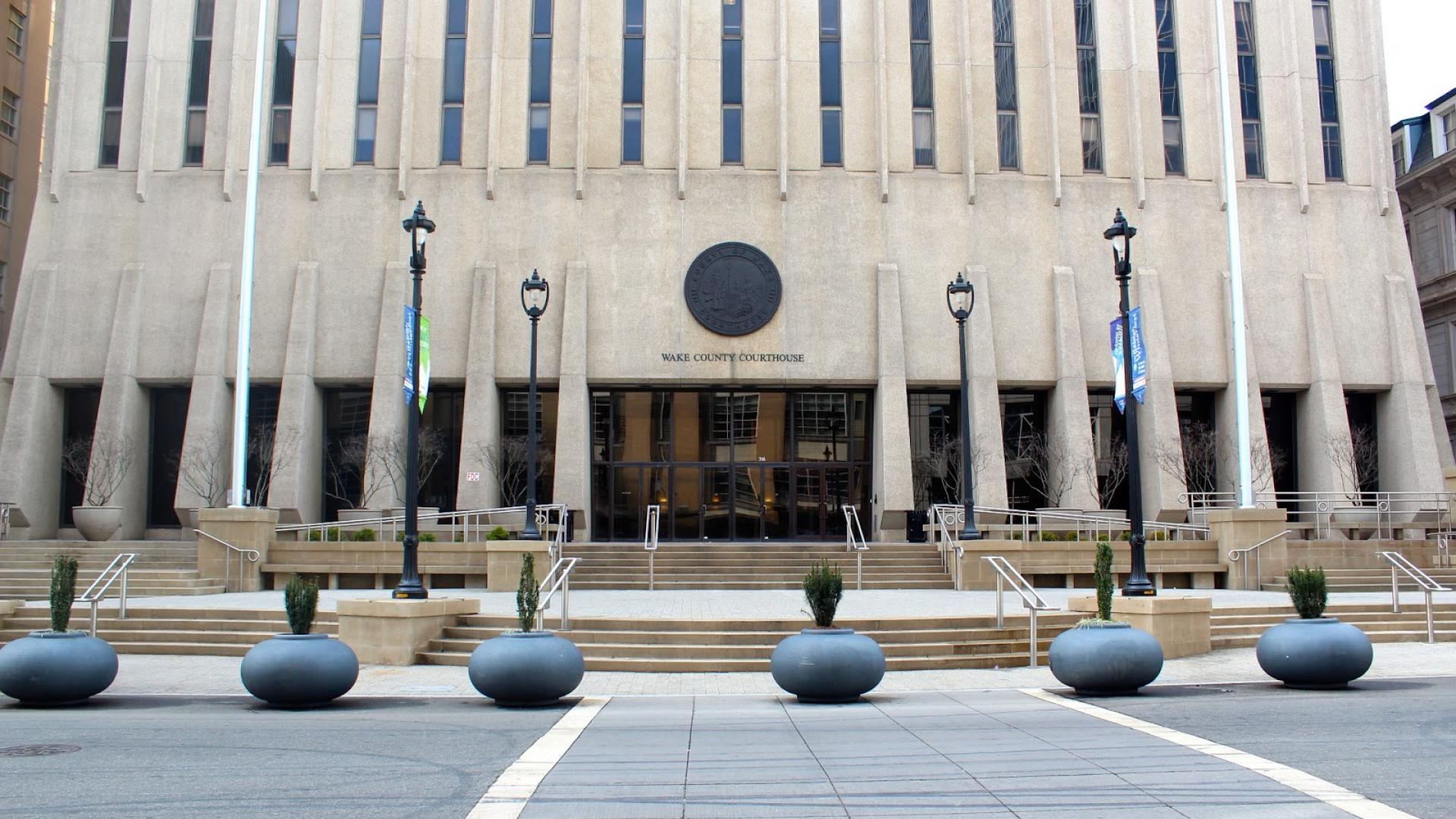
J.D.B. v. North Carolina (2011) was not only a triumphant case for juvenile delinquency matters, but set the tone for how juveniles who are alleged to have committed criminal acts to be approached by law enforcement.
If you’re unfamiliar with the case, here’s a brief (non-law) synopsis. As a juvenile, his name is not released to the public hence the J.D.B. abbreviation:
J.D.B. was a 13-year-old student enrolled in special education classes. The police noted him as a suspect of committing two separate robberies in a neighborhood. A police investigator visited him at school, then interrogated him along with a uniformed police officer, and school officials. J.D.B. then confessed to his crimes but was not given a Miranda warning during the interrogation, not even an opportunity to contact his parents or guardians, or that he was free to leave. Two juvenile petitions (think of these as similar to charges) were filed against J.D.B. with one count of larceny (stealing) and one count of breaking and entering. J.D.B.’s public defender moved to suppress J.D.B.’s statements and the evidence the state claimed to have against him, arguing that J.D.B. had been interrogated in police custody without the required Miranda rights. The trial court decided that J.D.B. was not in custody, and denied the motion. J.D.B. and his defense team lost three times (trial court, Court of Appeals, and the NC Supreme Court.) Because of this, the trial was appealed to the United States Supreme Court where it held that a person questioned by law enforcement officers after being “taken into custody or otherwise deprived of his freedom of action in any significant way” must first be Mirandized. The U.S. Supreme Court reversed the judgment of the North Carolina Supreme Court and remanded (return the case to lower court) to the lower court to determine, taking his age into consideration, J.D.B. was in custody when he was interrogated.
For the next two blog installments, OJD will be sharing reflections from both the State and Defense on J.D.B. v. North Carolina. These reflections not only show the thought processes of opposing sides, but how the decision affected juvenile career paths and how juvenile defense changed after this case.