
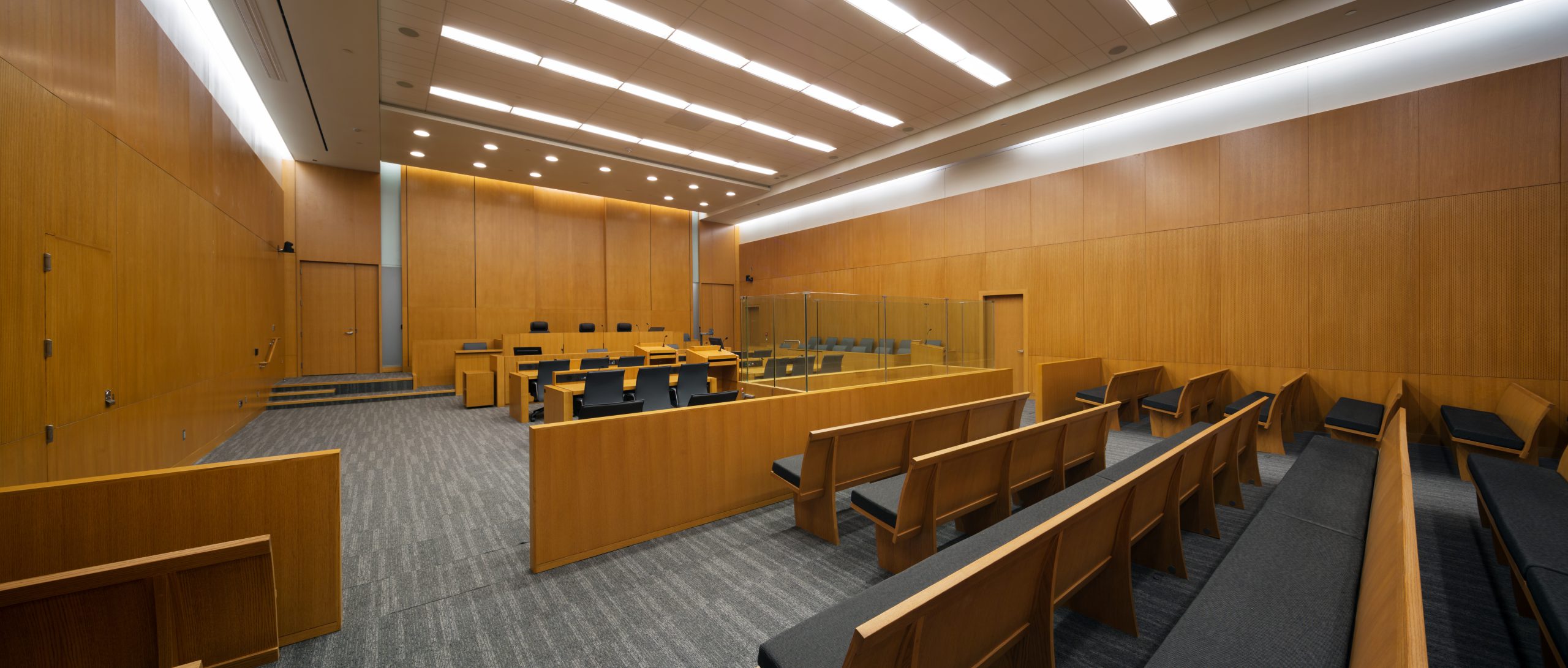
There is no Constitutional right to a probable cause hearing but there are statutory rights under Chapter 7B and 15A of the North Carolina General Statutes. If a probable cause hearing is held, constitutional protections do apply. As a practical matter, there are many reasons for and against having probable cause hearings with an important consideration in juvenile court being the impact on transfer to Superior Court. Without listing all the reasons for or against having a probable cause hearing, one specific misconception is that hearsay is admissible in probable cause hearings. This misconception may impact decisions on waiving hearings on probable cause or demanding a hearing.
The North Carolina Rules of Evidence can be found in Chapter 8C, and Rule 1101(b) specifically addresses the Rules of Evidence in probable cause hearings. Specifically, Rule 1101(b) states, “The rules other than those with respect to privileges do not apply in the following situations:…(3) Miscellaneous Proceedings. – Proceedings for extradition or rendition; first appearance before district court judge or probable cause hearing in criminal cases; sentencing, or granting or revoking probation; issuance of warrants for arrest, criminal summonses, and search warrants; proceedings with respect to release on bail or otherwise.” Without considering any arguments about the specific language referencing criminal cases instead of juvenile cases, counsel should pay particular attention to the entirety of Rule 1101. Rule 1101(a) clearly states, “Except as otherwise provided in subdivision (b) or by statute, these rules apply to all actions and proceedings in the courts of this State.”
Both Chapter 7B and 15A provide specific guidance on probable cause hearings with nearly identical language. N.C.G.S. 15A-611(b) and N.C.G.S. 7B-2202(c) state, the state shall by nonhearsay evidence, or by evidence that satisfies an exception to the hearsay rule, show that there is probable cause to believe the offense charged has been committed and that there is probable cause to believe the defendant or juvenile committed it. Both statutes allow hearsay in two limited circumstances:
-
Reports or copies of reports made by listed experts concerning the results of an examination, comparison, or test performed in connection with the case in issue.
-
If there is no serious contest, reliable hearsay may be admitted to prove value, ownership or possession of property, lack of consent of the owner/possessor/custodian of property to its taking or the breaking and entering of a premises, chain of custody, authenticity of signatures.
-
Notice that the exceptions are limited and require that there is no serious contest to its reliability.
Finally, N.C.G.S. 15A-611(b) contains the additional language that a district court judge is not required to exclude evidence on the ground that it was acquired by unlawful means. While the judge is not required to exclude such evidence, the judge may exclude such evidence. Counsel should argue for exclusion of such evidence, especially in juvenile matters as this statutory language was excluded from the juvenile code. If the court says that rules of evidence don’t apply because it’s district court, you may need to remind them or provide a printed copy of the statutes.
Consider these statutes carefully when determining the need for a probable cause hearing in juvenile matters. Remember in cases where the State intends to seek transfer, having a probable cause hearing can impact negotiations in a positive way. OJD would like to acknowledge the work of attorney Matthew Rothbeind in this regard. Mr. Rothbeind represented a youth charged with a high-level felony (Class B2) and exercised his statutory right to a probable cause hearing. As a result, the parties agreed to an arrangement for the youth to admit simple assault. Great job, Mr. Rothbeind!
Upcoming OJD Trainings
📢 Registration opens Octobe 24! ⬇
Legislative UpdatesNovember 17, 2023, 1:00 – 2:15 PMWebexRegister Now
📢 Registration opens November 1! ⬇
Disposition Advocacy December 8, 2023, 1:00 – 2:00 PMWebexRegister Now
📢 Registration opens November 17! ⬇
Eastern Youth Defender ForumDecember 1, 2023, 8:45 AM – 5:45 PM ESTBeaufort Community collegeRegister Now
🚨 Juvenile First-Degree Murder Application Now Available! 🚨
The Office of the Juvenile Defender is excited to share the Juvenile First-Degree Murder roster application for defenders. Click below to read more details and instructions.